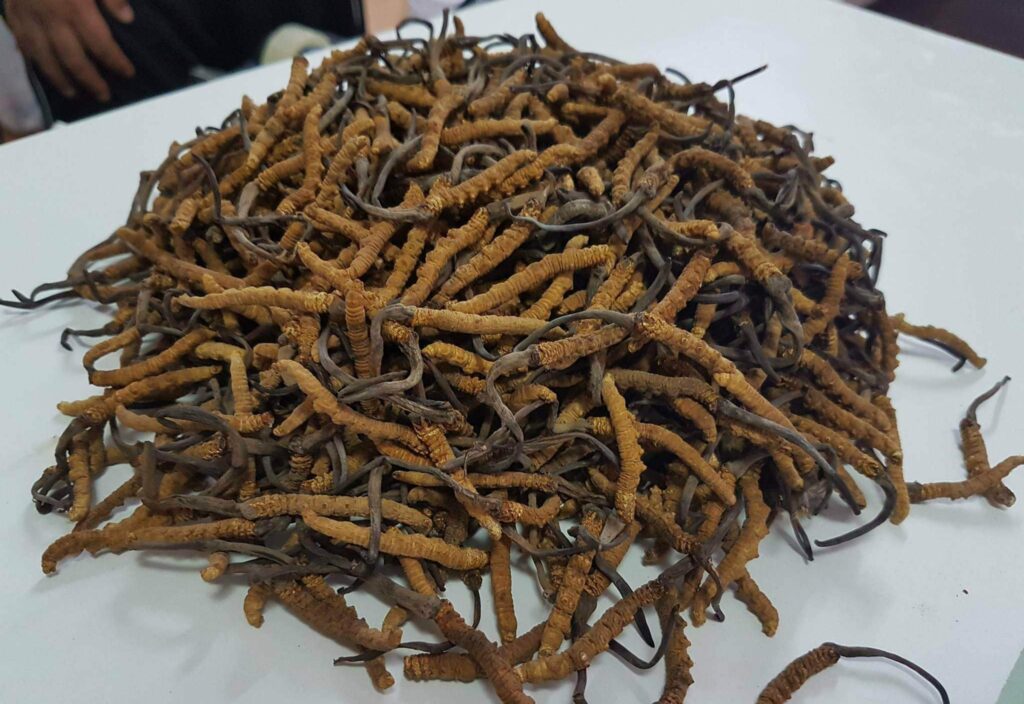
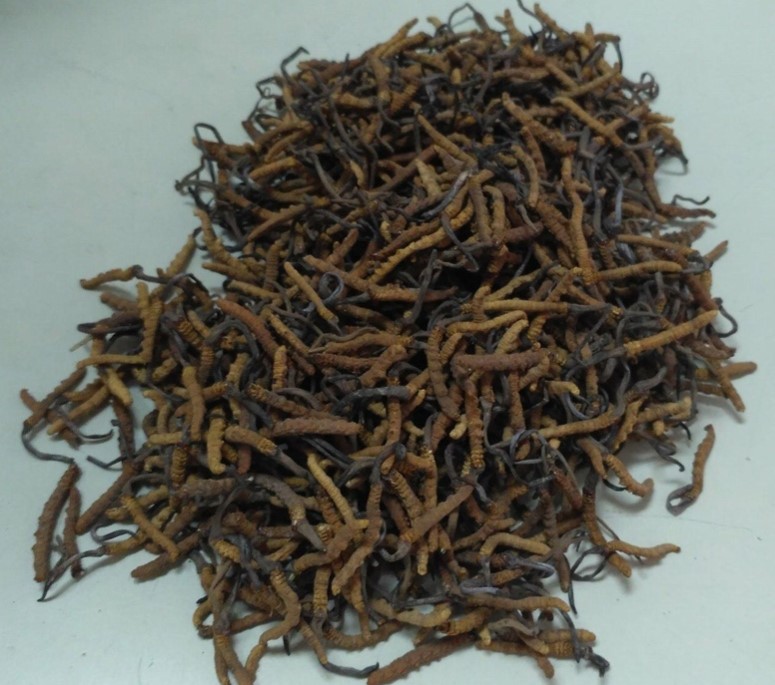
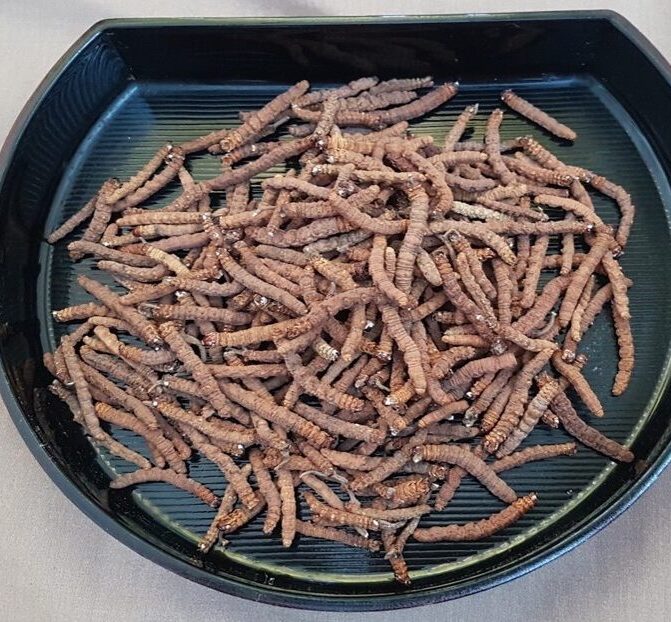
Ophiocordyceps sinensis (formerly Cordyceps sinensis), known locally as Yarsagumba or yartsa gunbu, is an entomopathogenic fungus in the family Ophiocordycipitaceae. It is only found in the meadows above 3,500 metres (11,500 ft) in the Himalayan regions of Bhutan and Nepal and the Tibetan Plateau in Southwest China. It is extremely highly valued as a herbal remedy locally, in traditional Chinese medicine, and — after rigorous testing — increasingly in Western medicine. It is scientifically found to contain the compound cordycepin, an adenosine derivative.
Yarsagumba is well known as "Himalayan viagra" because of its impact on the reproductive system and its wide-ranging health benefits. Its medicinal properties were first documented in China around 2,000 years ago, and it is used both clinically and as a home remedy.
Reported benefits include strengthening the lungs and kidneys, increasing energy and vitality, and supporting the reproductive system. It has traditionally been used for tiredness, chronic cough and asthma, anemia, soreness of the knees, and to help strengthen the immune system.
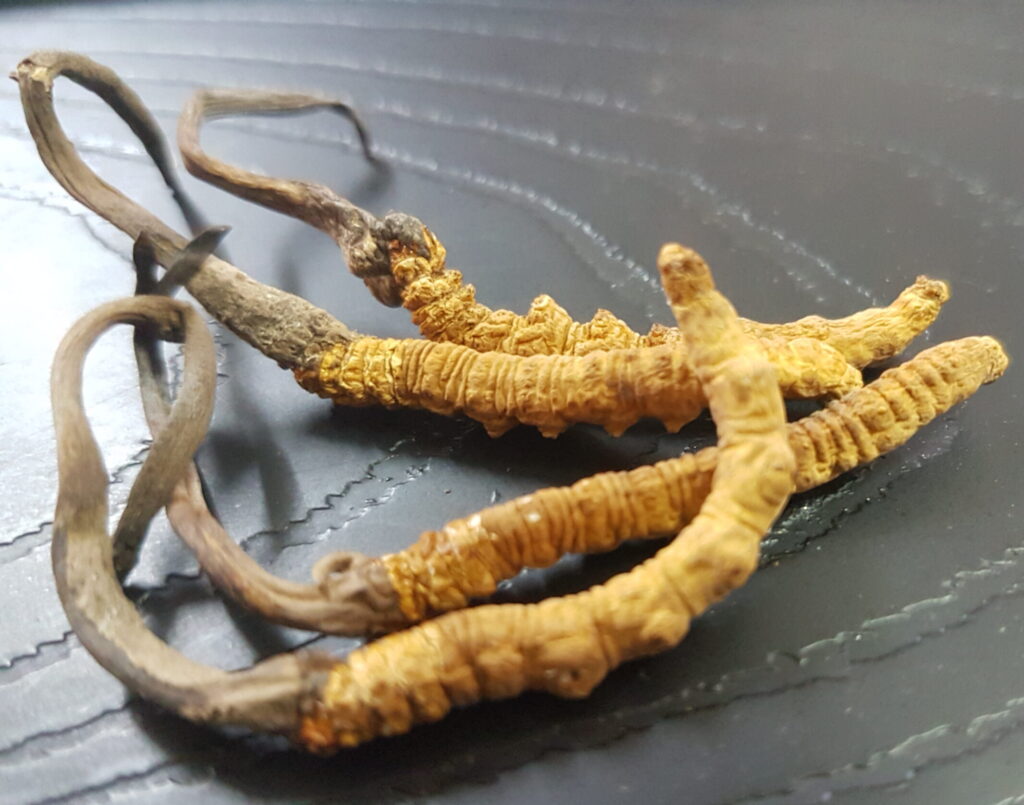
Himalayan Yarsagumba
According to WebMD, Cordyceps has traditionally been used in connection with anemia, breathing disorders, bronchitis, cough, fatigue, dizziness, heart arrhythmias, high cholesterol, liver disorders, ringing in the ears and general weakness.
Oral use of Cordyceps is considered safe in most cases. However, during pregnancy, breastfeeding, or if you have a bleeding disorder or upcoming surgery, there is not enough evidence to confirm safety — so it is best to avoid use in these situations. Mild side effects such as diarrhoea, constipation or abdominal discomfort are possible.
Here is a Healthline article elaborating on its studied benefits: healthline.com/nutrition/cordyceps-benefits.
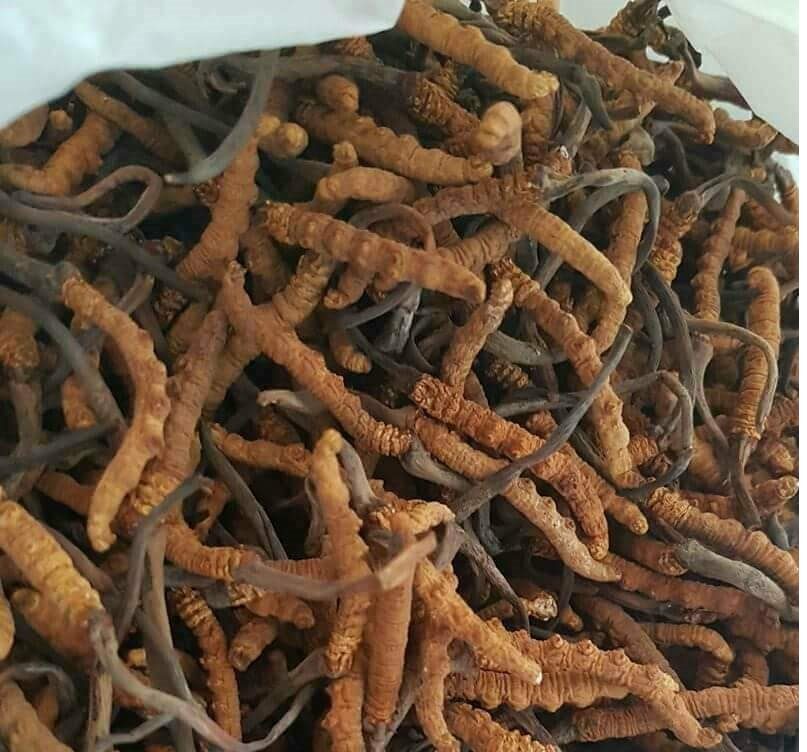
Get in touch and ask us about pricing, grades or any other questions — we reply personally.
Make an inquiry